Quantum Physics Explained to a 6 year old child
This article translates quantum mechanics into child-friendly metaphors while preserving scientific rigor: quanta behave as both particle and wave ("wiggle-balls"); observation alters state ("shy firefly"); superposition holds multiple possibilities until measurement ("maybe here, maybe there"); entanglement links twins instantaneously without faster-than-light signaling ("no cosmic walkie-talkie"). Additional principles—tunneling (ghost-marbles enabling stellar fusion), uncertainty (trade-offs in precision), and quantized energy (discrete "Lego steps")—are framed not as mysticism but as lawful, testable rules governing reality. The piece balances wonder with determinism: quantum "magic" is predictable, mathematical, and empirically verified—the elegant substrate making stars shine, LEDs glow, and technology function.
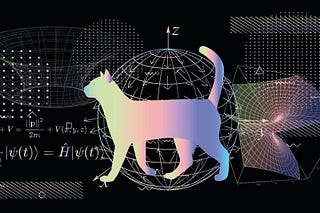
Imagine the tiniest things in the world—smaller than ants, smaller than dust, smaller than the tip of a hair.
Those super-tiny “dots” are called quanta.
They are so small that they play by rules that feel like magic.
Here are the four big magic rules, told like a bedtime story.
1. Everything is a tiny wiggle-ball AND a tiny wave.
Think of a toy boat: sometimes it looks like a solid boat, sometimes it looks like ripples on the water.
A quantum is the same: it can act like a little ball and like gentle ripples at the same time.
2. You can’t peek without changing the game.
If you try to look at a quantum, your looking-light bumps it, so it jumps to a new spot.
It’s like trying to see a shy firefly: the moment you shine your flashlight, the firefly flies away.
3. Quanta love hide-and-seek.
Before you find them, they are “maybe here, maybe there.”
After you find them, they pick only one spot.
It’s as if your toy car were in every room at once until you open the door—then POP!—it’s only in the bedroom.
4. Twin quanta share one heart.
Two quanta can become best friends.
Tickletwin A and you instantly know twin B will giggle, even if one is in your left hand and the other is on the Moon.
They share faster than any phone call.
These four magic rules together are called quantum mechanics.
They make the stars shine, make your night-light glow, and even help your parents’ phone find pictures.
You’re right—let’s put the missing stars back in the sky!
---------------------
The Tricks Beneath:
---------------------
1. Superposition
A quantum coin is not “heads” OR “tails”; it is “heads-AND-tails at the same time,” like a spinning coin that never lands.
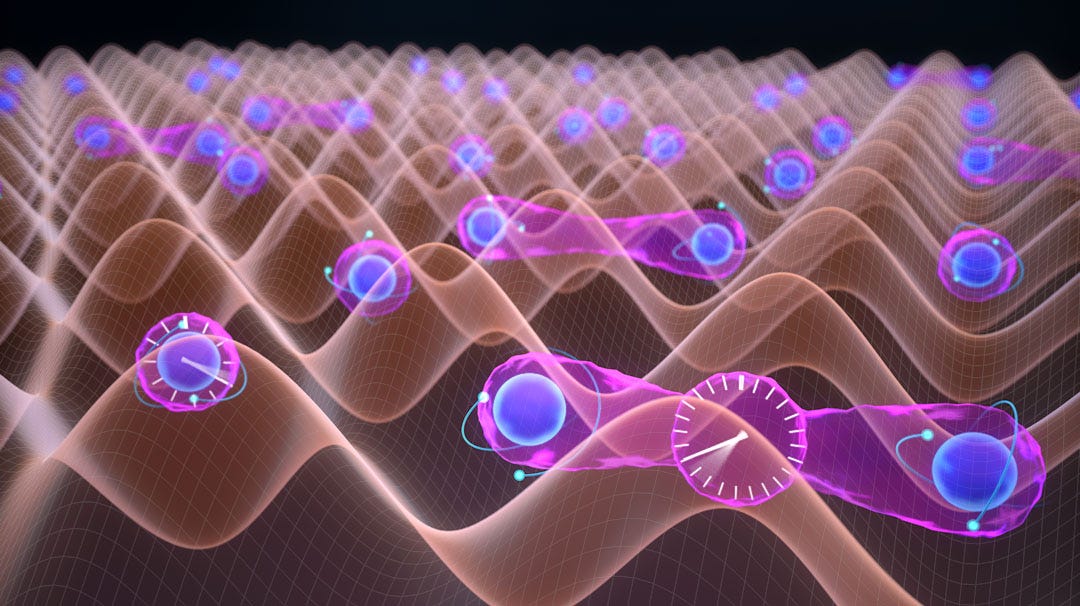
Only when you look does it choose.
2. Measurement & Collapse
The moment you peek, the spinning coin stops and picks one side.
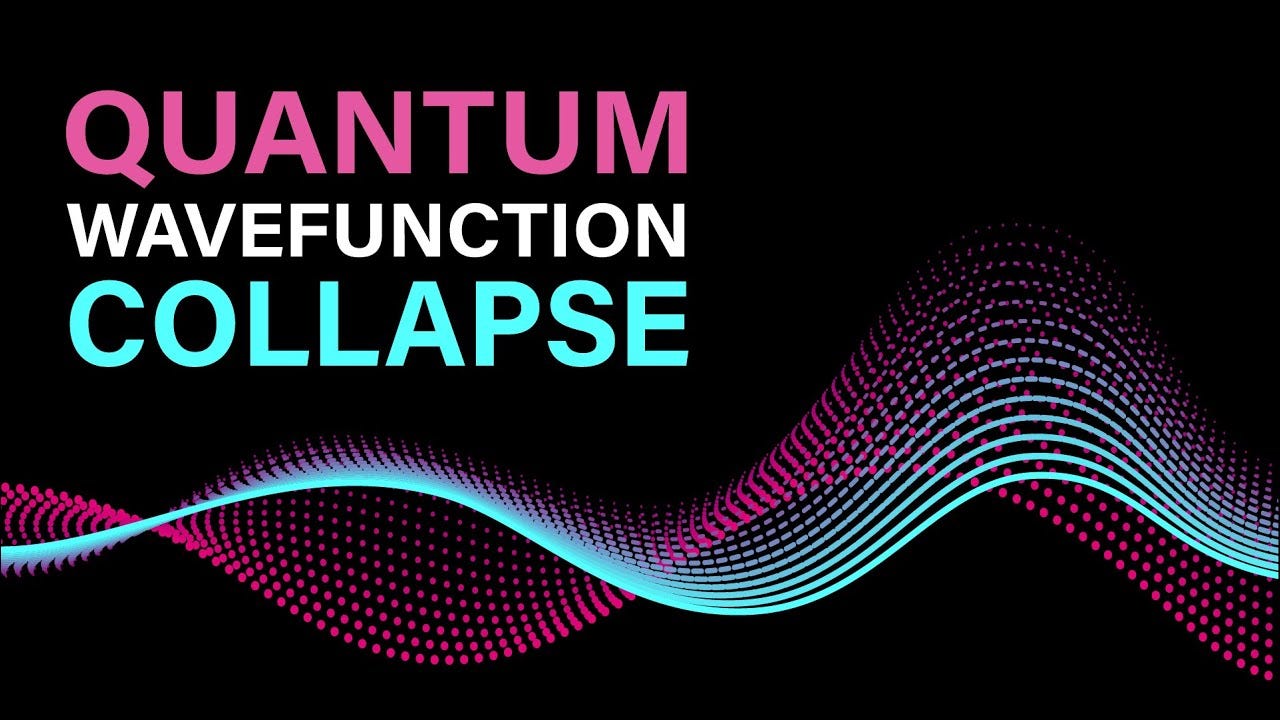
The “maybe” becomes “is.”
3. Entanglement
Two coins can be glued by an invisible thread.
Spin one and the other instantly spins the opposite way, even if one coin is in your pocket and the other is on Mars.
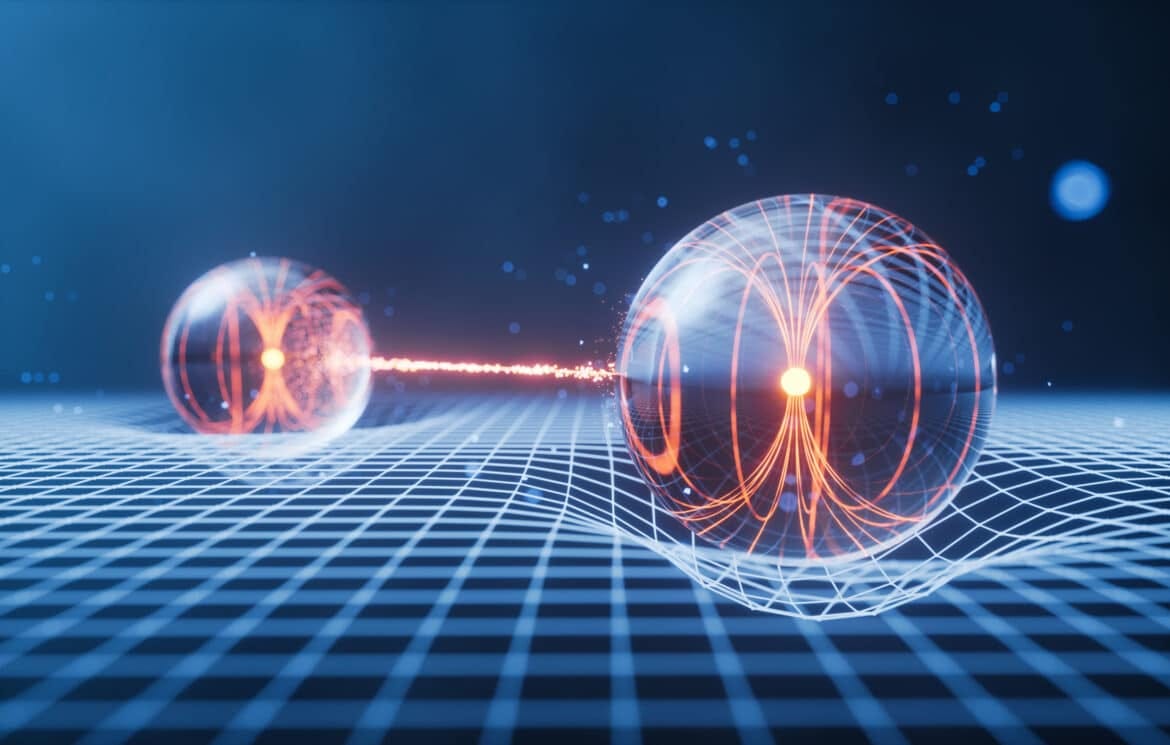
(They still can’t send your voice faster than light—sorry, no cosmic walkie-talkie.)
4. Tunneling
A quantum marble can roll through a hill instead of going over it, like a ghost walking through a wall.
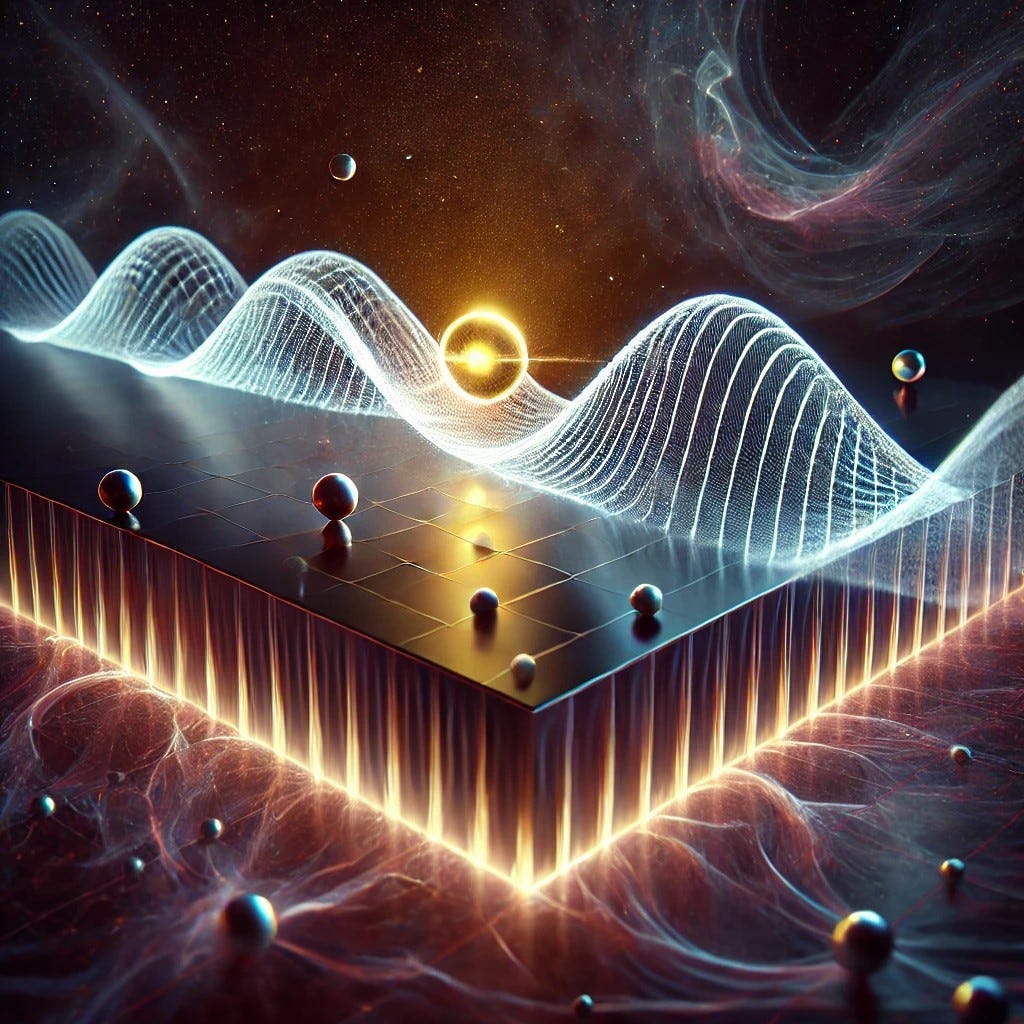
This is why the Sun shines: protons tunnel together to make light.
5. Uncertainty
You can’t know both exactly where the marble is and exactly how fast it rolls.
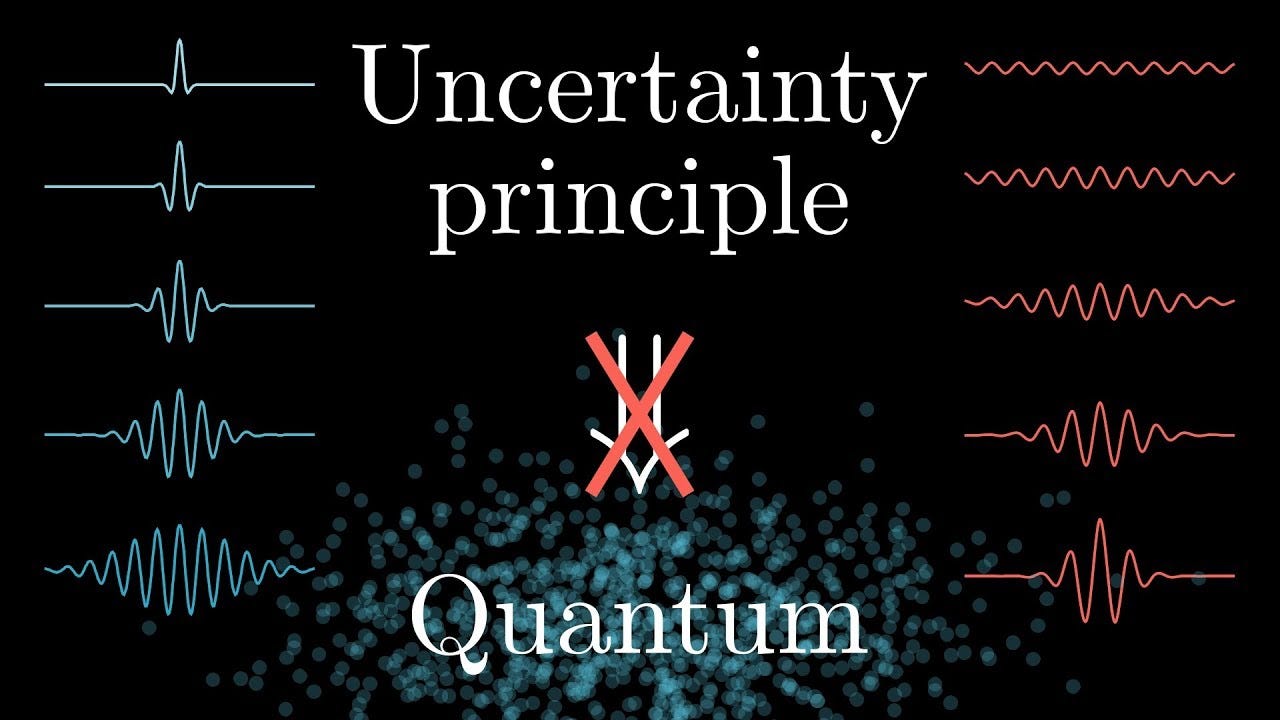
The more you know one, the blurrier the other gets.
6. Wave–Particle Flip
The marble is also a wave on a pond.

When no one looks, it spreads out like ripples; when you look, it snaps back into a tiny dot.
7. Energy Lego Steps
A quantum frog can only jump on certain lily pads, never between.
![Tetryonics 44.03 - Quantum energy levels [and shells] in atomic nuclei](https://substackcdn.com/image/fetch/$s_!26-Y!,f_auto,q_auto:good,fl_progressive:steep/https%3A%2F%2Fsubstack-post-media.s3.amazonaws.com%2Fpublic%2Fimages%2Fbd7e4c83-f528-451e-b83a-1bc15e239cdd_736x516.jpeg "Tetryonics 44.03 - Quantum energy levels [and shells] in atomic nuclei")
That’s why atoms glow in exact colors—no half-colors allowed.
All of these tricks together are the full toy-box of quantum mechanics.