Europe - Some Core Ideas
This article profiles four concrete EU projects advancing digital sovereignty through deterministic, informational infrastructure: (1) EUDI Wallet—a universal, user-controlled digital identity framework; (2) DARE—€240M investment in open-source RISC-V chiplets for HPC/AI independence; (3) Digital Euro—a public-money payment rail reducing reliance on foreign providers; (4) "EU OS"—an immutable Fedora/Kinoite-based Linux desktop enhancing public-sector security and reproducibility. Framed within the author's "metabolism of reality" thesis, these initiatives exemplify value flowing upward: coherent, testable architectures that minimize friction, maximize individual agency, and treat information—not bureaucracy—as the foundational substrate for pluralistic, functional societies.
4 Core ideas
1.🪪 (EUDI)
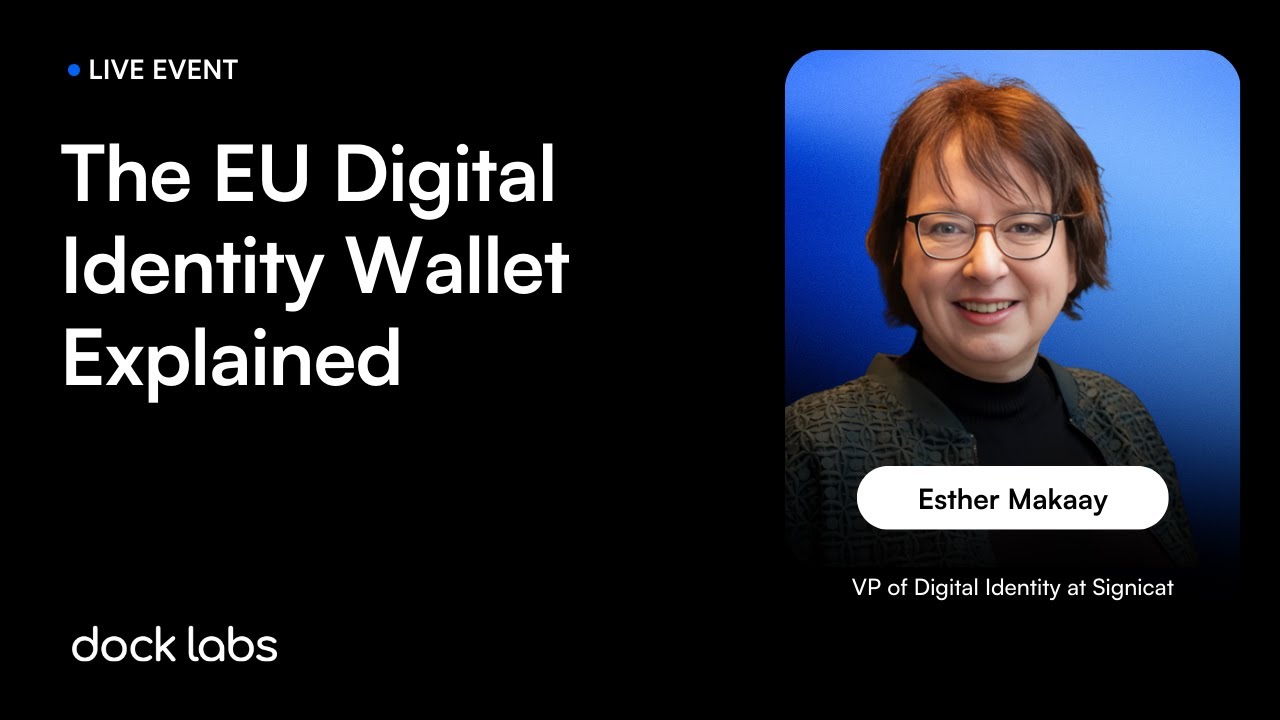
The European Digital Identity Wallet (EUDI) is a concrete and well-advanced project. According to the official European Commission digital strategy page, the new regulation entered into force in 2024.
Objective: To provide all citizens and businesses with a universal, secure, and trustworthy digital identity wallet.
Functionality: The wallet will allow users to store and manage their national digital identity along with other personal attributes (e.g., driver’s license, diplomas, bank account details) and share them with third parties in a controlled manner.
Mandatory Acceptance: Service providers that are legally required to authenticate their users will be obliged to accept the European Digital Identity Wallet.
2. 💻 Dare (Digital Autonomy wiith RISC-V Processor)
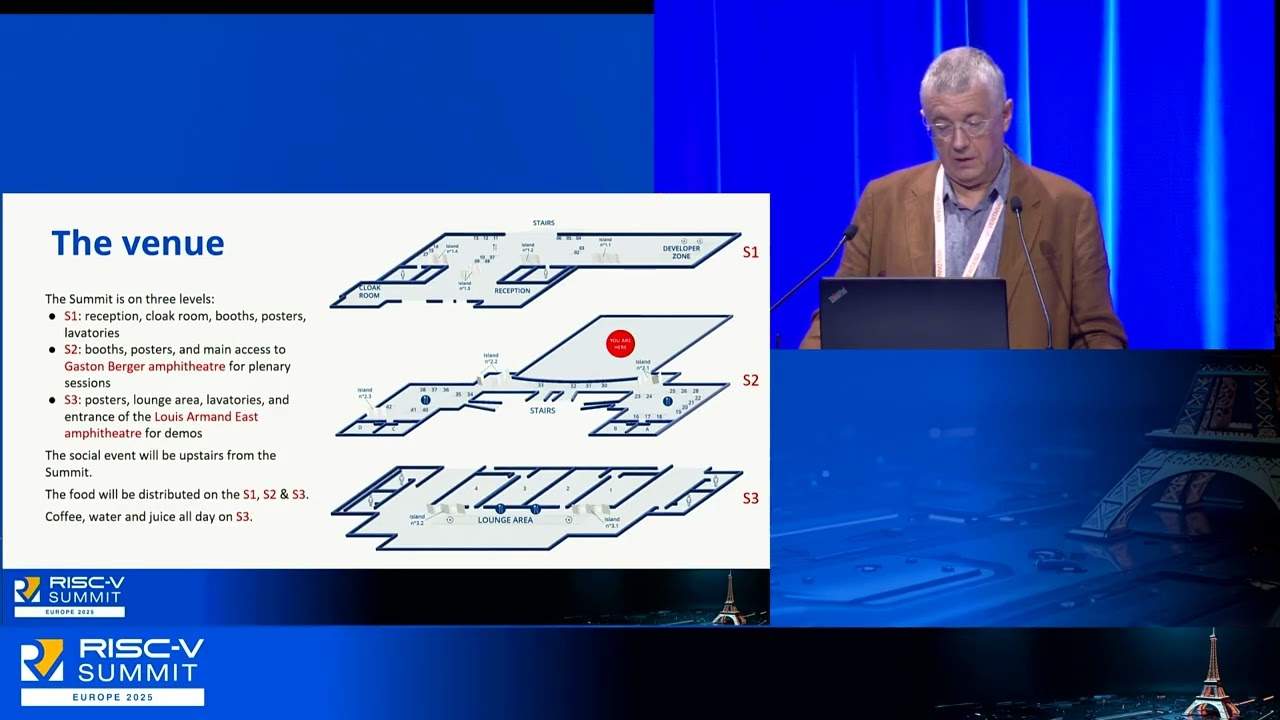
Europe is making a significant strategic bet on the open-source RISC-V architecture to gain technological independence.
The DARE (Digital Autonomy with RISC-V in Europe) project is a key initiative in this area.
Funding and Coordination: The project is supported by the EuroHPC Joint Undertaking and coordinated by the Barcelona Supercomputing Center (BSC-CNS), with an initial funding of €240 million for a three-year first phase.
Objective: To develop three key RISC-V-based chiplets (small specialized chips) for high-performance computing (HPC) and AI, including a vector-math accelerator, an AI inference chiplet, and a general-purpose processor.
Participants: The consortium includes 38 technology players, with leadership from companies like Openchip (Spain), Axelera AI (Netherlands), and Codasip (Germany).
3. 💶 The Push for a Digital Euro
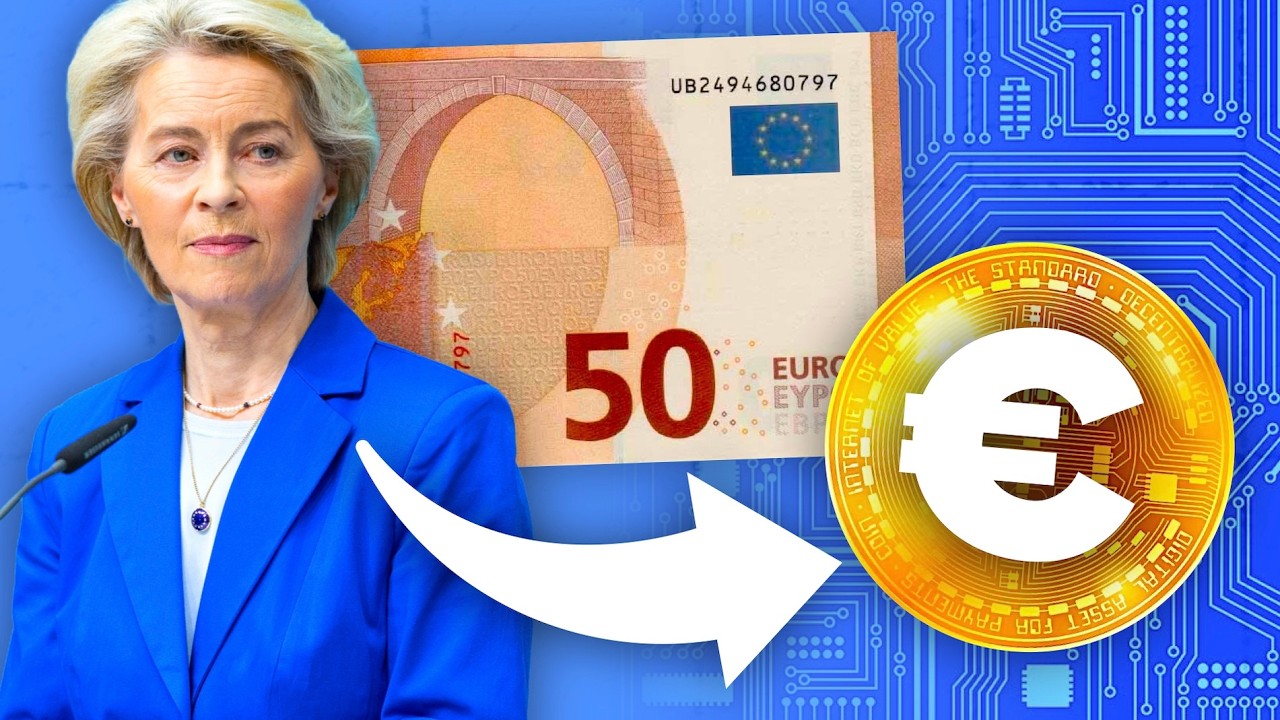
The move towards a digital euro is a direct response to the increasing digitalization of the economy and aims to preserve the role of public money.
Strategic Autonomy: A key driver is to ensure that European citizens and merchants have a secure and universally accepted digital payment option that is not dependent on foreign providers.
4. 🐧 The “EU OS” Proposal for Linux Adoption

The initiative for a European public sector Linux desktop focuses on achieving digital sovereignty and operational efficiency.
Technical Approach: The proposed “EU OS” is not a new distribution built from scratch. It is a proof-of-concept built on Fedora’s immutable KDE Plasma spin (Kinoite).
This “immutable” architecture enhances security and system reliability by preventing unauthorized changes.