The Burial
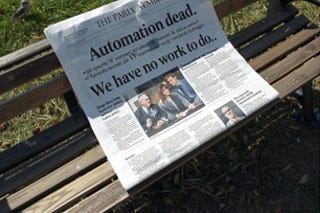
Strolling in the garden, I read the News
What a castatrophe! I immediately went to see if it was true
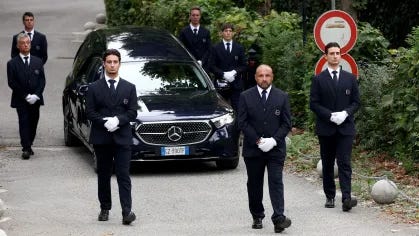
It was true! I couldn’t believe what was happening. Dozens of years of working on the most advanced cutting-edge concepts, and yes, death has happened.
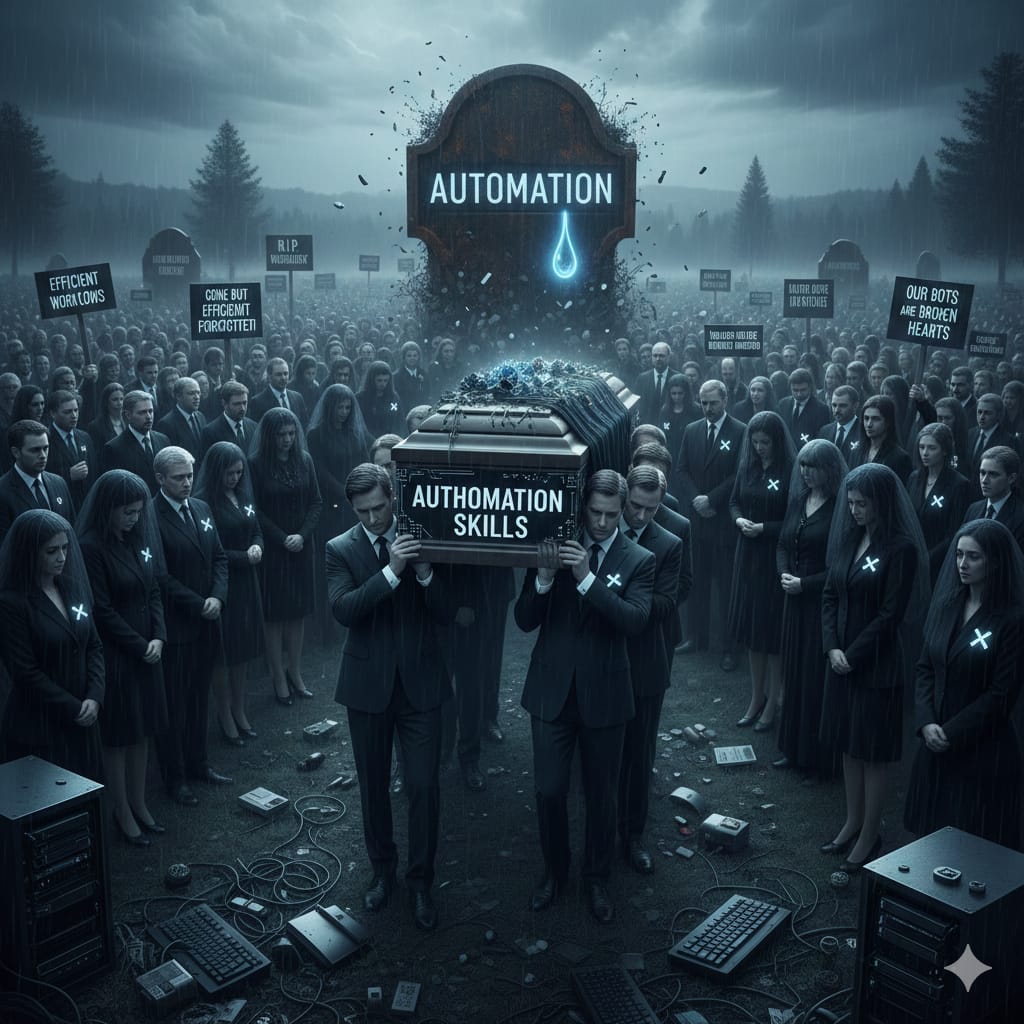
What will the future look like? Yes, I had an absolute need to know what was going to happen.
I quickly ran to my time travel machine. I pointed to February 2026 and arrived quickly.

As soon as I arrived, I went to the cemetery.
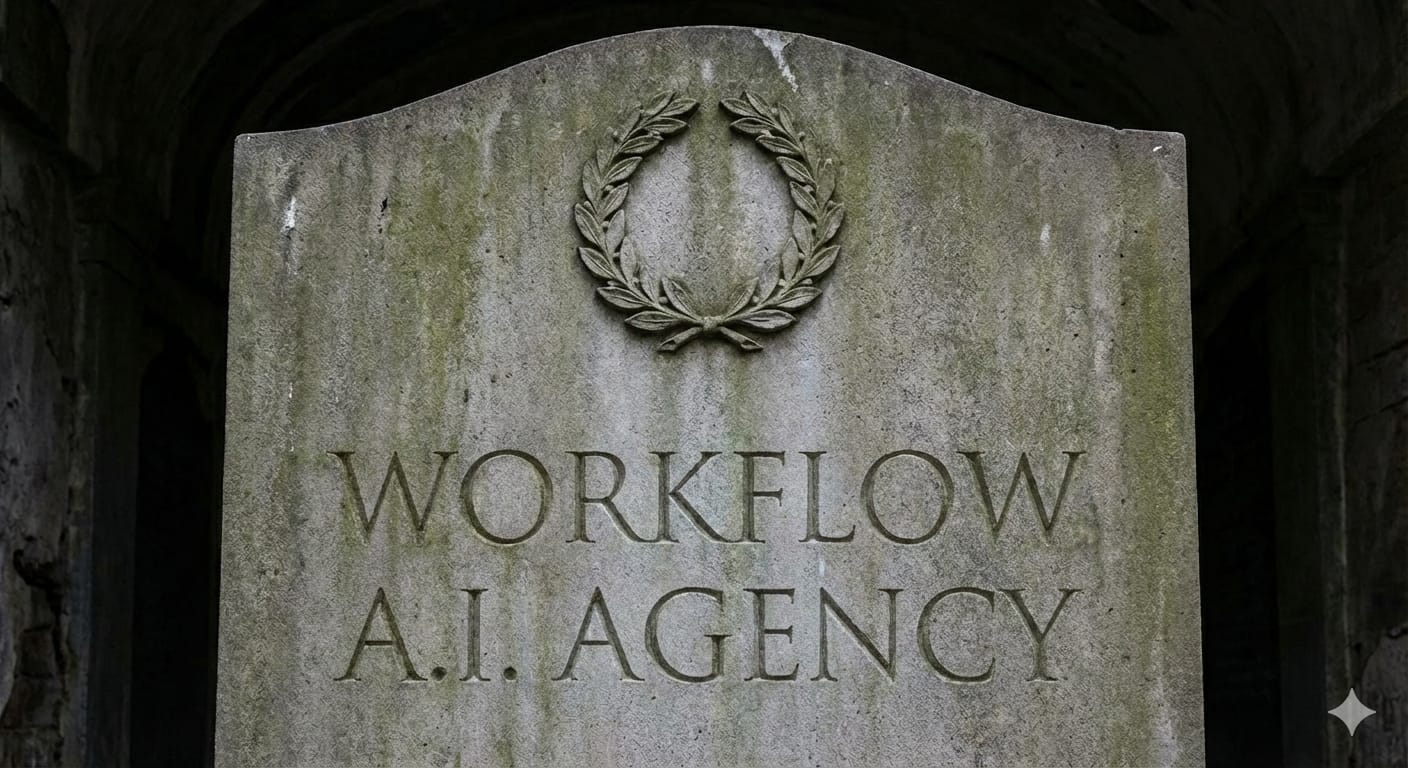
What was happening? Concepts so advanced to disappear quickly, with such ephemeral existence...
As a coach I felt a deep bitterness. Where could my engineering spirit be applied? Maybe in the future? Yes, in the future is the answer, it cannot be otherwise. I go back to the machine and schedule the destination for August 2026.
It’s not possible. The scenario ahead was insurmountable.
I had to use A.I. to resolve the problem.
Top-level sketch: “Liar-Spotter”
1. Capture
Input: claim sentence + source document / transcript.
Embed both (same 768-dim model).
2. Retrieve
Vector-search top-3 evidence chunks from trusted corpus (wiki, company KB, policy PDF).
If cosine < 0.78 → flag “no evidence, can’t verify”.
3. Judge
Feed claim + chunks to small judge LM (7B, local).
Prompt: “Does evidence SUPPORT, CONTRADICT, or NOT-ENOUGH the claim? JSON only.”
4. Score
Map verdict → traffic light:
5. Surface
Browser plug-in / chat overlay shows coloured bar + 1-line rationale.
Click expands to source sentences.
6. Telemetry
Log (claim, verdict, source, user-action) → daily audit + retraining judge.
Stats
Lines of code: ≈ 120
Hardware: Runs on CPU
Latency: < 1.2 s
Cost: ≈ 0.03 ¢ per claim