If you can’t trust Yourself, trust Others
The cryptographic concept of Zero-Knowledge Proofs as a profound metaphor for the internal dynamics of self-trust and psychological integrity. The piece argues that "trusting yourself" is often difficult because the conscious mind is aware of its own inconsistencies and past failures. It's a system where one party can prove they possess a specific truth without revealing the underlying data or "secrets" themselves. You suggest that when the ego is overwhelmed by doubt, one should rely on the "encrypted" wisdom of the subconscious. This internal protocol allows for confident action based on foundational values and intuition, even when the specific details or outcomes remain hidden from the conscious surface. It frames self-reliance as a secure, decentralized architecture of the mind.
Rui Manuel de Almeida Pinheiro
Mainframe Analyst. Prompt Engineering. Content Engineering. Framework Design.
January 8, 2026
What is Zero-Knowledge Encryption?
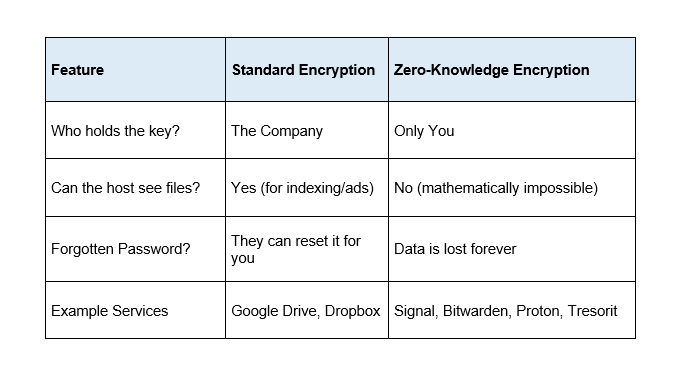
In a standard secure service (like Gmail or iCloud), the company encrypts your data but keeps a copy of the key. This means if the government asks for your data or a hacker steals the companys master keys, your information can be read.
Zero-Knowledge Encryption changes this. The service provider (the knowledge holder) knows zero about your data.
How It Works:
Local Encryption: Your data is turned into code on your device before it ever reaches the internet.
Private Keys: The key to unlock that code is created from your password and stays on your device. It is never sent to the company’s servers.
The “Blind” Server: The company receives a locked “digital box” but has no way to open it. Even if they are hacked or subpoenaed, they can only hand over scrambled, useless code.