Take a Pebble
Using a simple pebble as a metaphor, this article explores the depth and complexity inherent in mundane objects. It encourages a practice of "deep looking" to find wonder in the small and overlooked aspects of the world. The piece discusses how a single stone can act as a gateway to understanding geology, time, and interconnectedness.
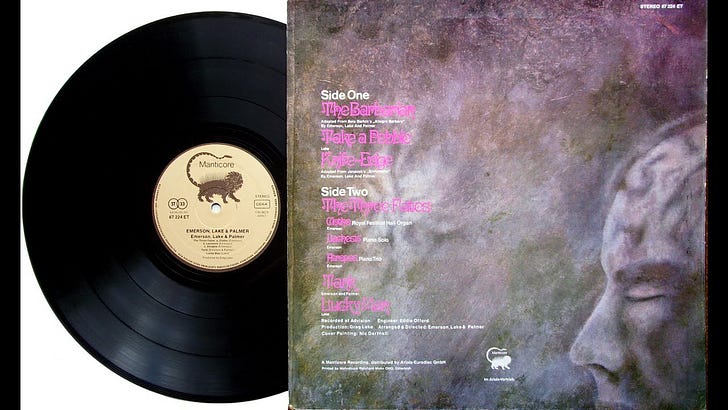
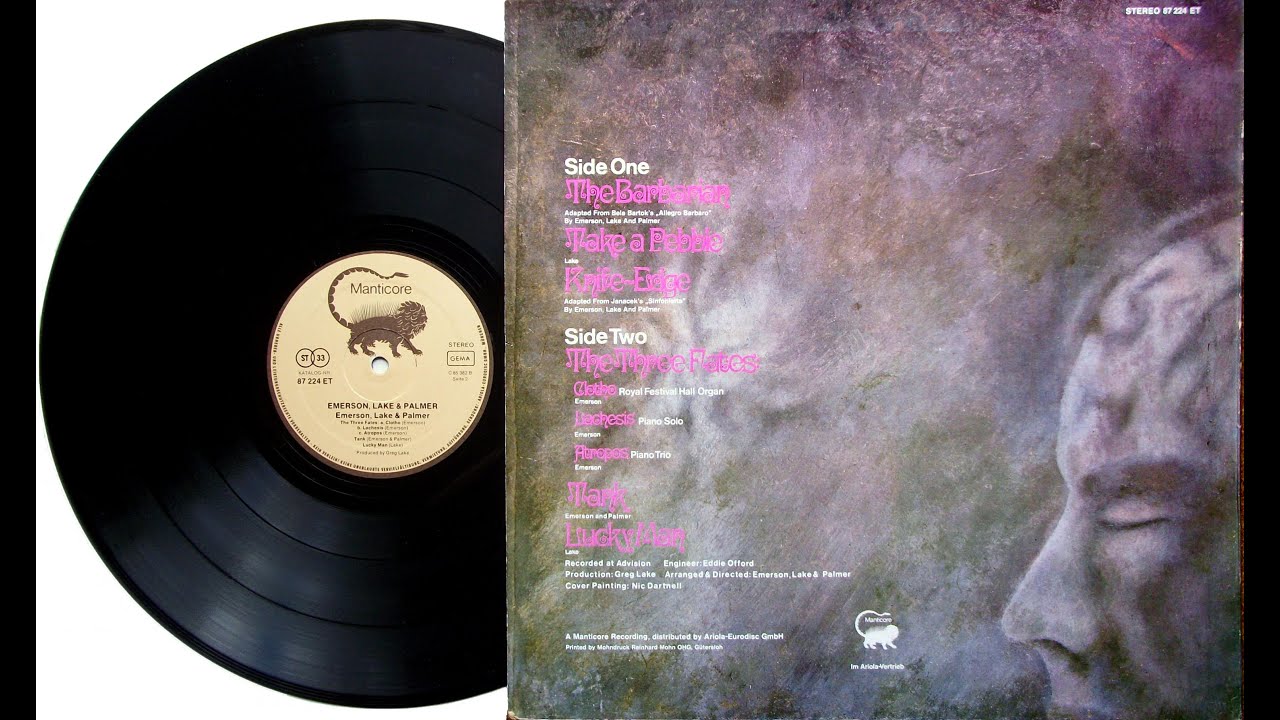
"Take a Pebble," the opening track of Emerson, Lake & Palmer’s 1970 self-titled debut, is a masterpiece of early progressive rock. It’s less of a "song" and more of a multi-movement suite that explores the contrast between folk-like intimacy and avant-garde jazz exploration.
1. The Lyrics: Impressionism and Isolationp
The lyrics, written primarily by Greg Lake, are poetic and impressionistic rather than narrative. They evoke a sense of stillness and the ripples of memory.
> “Take a pebble and cast it to the sea
> Then watch the ripples reaching out to me
> Fear is the shadow, the drifting of the clouds
> The sun in the morning, the yelling of the crowds”
>
Key Themes:
* The Pebble as a Catalyst: Much like the "butterfly effect," a small action (casting a pebble) creates a chain reaction (ripples). It represents how a single thought or memory can expand and overwhelm the mind.
* Duality: The lyrics contrast peace (“the sun in the morning”) with anxiety (“the yelling of the crowds”).
* Passing of Time: Phrases like "the seasons of my life" suggest a reflective, late-night meditation on one's existence and the inevitable fading of the past.
2. Musical Structure: The Suite
Clocking in at over 12 minutes, the track is structured like a "musical sandwich," moving from structured folk to free-form experimentation and back again.
The Intro & Verse
The song begins with Keith Emerson plucking the piano strings directly by hand (an avant-garde technique known as "string piano"). This creates a harp-like, ethereal sound that mimics the "ripples" mentioned in the lyrics. Greg Lake’s vocal delivery is breathy and resonant, grounded by his melodic acoustic guitar.
The Middle Sections (The Improvisation)
This is where the band shifts from a folk ballad into a jazz-fusion powerhouse:
* The Folk Break: A bright, finger-picked acoustic guitar section by Lake that feels like a rural English landscape.
* The Jazz Trio: Emerson leads the band into a sophisticated jazz piano exploration. Carl Palmer’s drumming here is subtle, using brushes and light cymbal work to maintain a "shimmering" atmosphere.
The Climax and Return
The song builds back up through a series of dissonant piano chords and driving percussion, eventually resolving back into the final verse. The "ripples" return to the shore, bringing the listener back to the quiet opening theme.
3. Why It Matters
"Take a Pebble" defined the ELP sound:
* Genre Blending: It seamlessly mixes classical piano techniques, folk-rock, and jazz.
* Dynamic Range: It moves from a whisper to a roar, showing that "heavy" music didn't always need distorted guitars.
* Experimentalism: Using the inside of the piano as an instrument showed that the band was interested in sound textures, not just virtuosity.