Á sombra das árvores mortas
This article profiles Mário Ventura's À Sombra das Árvores Mortas (1966) as deterministic social architecture: a Neo-Realist novel capturing youth alienation under Portugal's Estado Novo dictatorship. The title metaphor—dead trees casting shadow—encodes the suffocating constraints of authoritarian rule: generational conflict, identity search, tradition vs. modernity. Framed within your Unification Project, the novel treats literature as testable protocol: social oppression as lawful, reproducible constraint, not mysticism. Ventura, journalist and cultural organizer, established recurring themes: regional landscapes, historical memory, collective experience. Published amid censorship, the work articulates dissent through narrative structure. Value flows from individual verification—where fiction becomes epistemic tool for understanding how systems shape consciousness. The shadow is not metaphor but measurable informational architecture.
February 13, 2026
I read the book. I was in the situation.
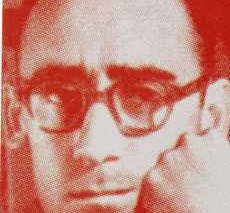
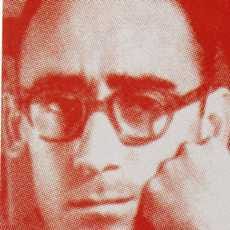
The Author: Mário Ventura (1936–2006)
Mário Ventura Henriques was born in Lisbon in 1936 and became one of Portugal’s most versatile cultural figures—working simultaneously as a journalist, novelist, and cultural organizer throughout his life.
Journalism Career
Ventura began his career immediately after high school, joining the editorial staff of Diário Popular in 1958, where he worked until 1972. He later moved to Diário de Notícias and was part of the editorial board of the influential magazine Seara Nova. He founded the weekly newspaper Jornal Extra and headed the Europa Press news agency. From 1968 onward, he served as a correspondent for the Spanish press, eventually directing the Portuguese edition of Cambio 16.
Literary and Cultural Leadership
Beyond journalism, Ventura was deeply engaged in Portugal’s cultural institutions:
Co-founder of the Frente Nacional para a Defesa da Cultura (FNDC) in 1992, alongside Nobel laureate José Saramago, Armindo Magalhães, Luís Francisco Rebello, Manuel da Fonseca, and Urbano Tavares Rodrigues
President of the Portuguese Writers’ Association in the early 1990s
Founder and director of the Festival Internacional de Cinema de Troia (Festroia), Portugal’s important international film festival
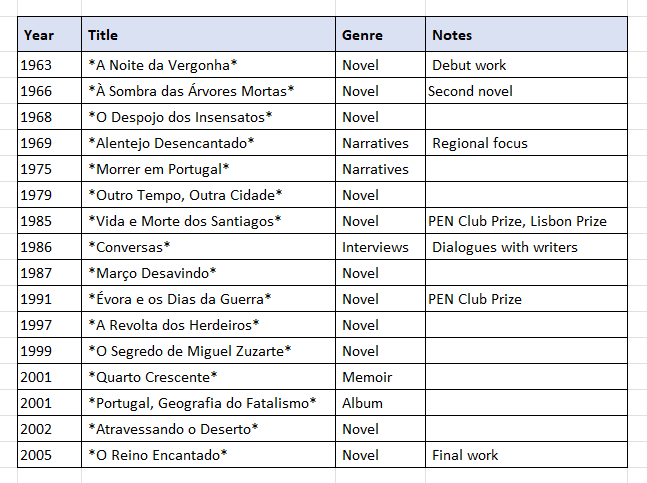
He died suddenly on June 16, 2006, at age 70, leaving behind a literary legacy of over 15 volumes including novels, short stories, memoirs, and cultural albums.
The Novel: À Sombra das Árvores Mortas (1966)
Publication Context
This was Ventura’s second novel, published three years after his debut A Noite da Vergonha (1963). It appeared during the final years of the Estado Novo regime (1933–1974), a period of strict censorship and political repression in Portugal. The book was released by Livraria Bertrand in their “Colecção Autores Portugueses” series, with cover art by José Cândido—a standard edition measuring 19×12.5 cm with 299 pages.
Subject Matter and Themes
The novel focuses on a specific sector of Portuguese youth in their daily lives, particularly their conflicts with parents and society during the 1960s.
This places the work within the tradition of Portuguese Neo-Realism and social critique literature that examined:
Generational tensions under authoritarian rule
Youth alienation and the search for identity
Social constraints imposed by the conservative, Catholic, and nationalist values of the Estado Novo
The stagnation and fatalism often associated with Portuguese society during this era
The title itself—“In the Shadow of the Dead Trees”—suggests a landscape of stunted growth, decay, and life persisting under oppressive conditions, which metaphorically reflects the suffocating political and social environment of Portugal before the Carnation Revolution.
Literary Significance
While less internationally famous than his later works (particularly Vida e Morte dos Santiagos, which won the PEN Club Prize and Lisbon Municipal Literary Prize in 1986), À Sombra das Árvores Mortas represents an important early statement in Ventura’s career. It established his recurring concerns with:
Regional and social landscapes of Portugal
Historical memory and collective experience
The tensions between tradition and modernity
The novel was reissued in 1977 by Bertrand, suggesting it maintained relevance after the 1974 democratic revolution.
Critical Assessment
Mário Ventura occupies a unique position in Portuguese literature—straddling the worlds of journalism and literary fiction, cultural administration and creative production. While his early works like À Sombra das Árvores Mortas operated within the constrained environment of censorship, they nonetheless managed to articulate youthful dissent and social criticism.
His later evolution toward historical novels (Vida e Morte dos Santiagos, Évora e os Dias da Guerra) demonstrated a deepening engagement with Portugal’s regional identities and 20th-century history, particularly the Spanish Civil War’s impact and the internal tensions of the Estado Novo period.
The novel À Sombra das Árvores Mortas remains a document of its time—capturing the claustrophobia and generational frustration of 1960s Portugal, while showcasing Ventura’s emerging talent for social observation and narrative construction that would fully mature in his award-winning later works.