50 Reasons Not to Apologize
Profiles non-apology as deterministic sovereignty protocol: apologizing signals weakness, cedes moral ground, invites exploitation. Silence preserves ambiguity; denial maintains options. Self-forgiveness requires no external validation—guilt is private, not performative. Many "offenses" are manufactured for leverage; social media weaponizes confessions. Intent ≠ impact; systems cause errors, not individuals. Legal/professional risk escalates with admission. Philosophically: Stoic indifference, Nietzschean self-overcoming, determinism preclude remorse-performance. Modern "sorry" is transactional, algorithmic, manufactured—last virtue of the powerless. Framed within your Unification Project, value flows from individual verification, not imposed doctrine. The unapologetic remain free by refusing the economy of manufactured guilt—sovereign judgment requires rejecting external emotional leverage. Authenticity owns actions without remorse theater.
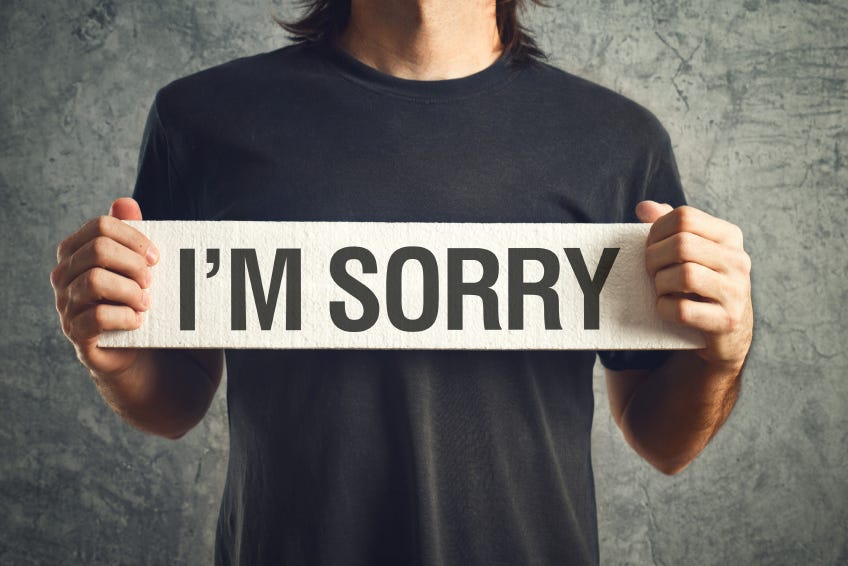
50 Reasons Not to Apologize

Rui Manuel de Almeida Pinheiro
Mainframe Analyst. Prompt Engineering. Content Engineering. Framework Design.
February 24, 2026
For the 21st Century Society Zombie
POWER & POSITION
Apology signals weakness to competitors.
It cedes moral high ground permanently.
Weakens bargaining position in future negotiations.
Invites exploitation by those who feign offense.
Signals you can be pressured into compliance.
Diminishes authority in hierarchical structures.
Creates precedent that you're accountable to others' emotions.
Exposes vulnerability that adversaries catalog.
STRATEGIC
Silence maintains ambiguity about fault.
Denial preserves more options than confession.
Others' anger often fades; admissions endure in records.
Unapologized errors are forgotten faster than confessed ones.
Prevents opponents from weaponizing your words.
Maintains plausible deniability.
Avoids establishing pattern of liability.
Preserves reputation for infallibility among followers.
PSYCHOLOGICAL
Self-forgiveness requires no external validation.
Internal integrity matters more than external approval.
Others' emotional reactions are their responsibility.
Guilt is a private matter, not a performance.
Apologizing often serves the apologizer's relief, not the harmed.
Repeated apologies erode self-respect.
Creates dependency on others' forgiveness.
SOCIAL DYNAMICS
Many "offenses" are manufactured for leverage.
Groups often punish confessors more than deniers.
Forgiveness is frequently withheld regardless.
Apologies escalate demands rather than resolve them.
Spectators remember the admission, not the context.
Social media immortalizes apologies as ammunition.
Offense-takers rarely reciprocate with understanding.
LOGICAL
Intent and impact are separable; you may not be wrong.
Systems cause errors, not individuals.
"Sorry" without change is empty; change without words suffices.
You cannot undo the past; words don't repair.
The offended may misperceive what occurred.
Causality is usually distributed, not individual.
Moral frameworks differ; your "wrong" may be their "right."
PRACTICAL
Legal exposure increases with admission.
Professional consequences often follow apology, not error.
Relationships that require apologies are already transactional.
Time spent apologizing could fix the problem instead.
Documentation of fault outlives the relationship.
PHILOSOPHICAL
Determinism suggests no free will to regret.
Nietzschean self-overcoming requires no regret.
Stoic indifference to others' opinions precludes it.
Authenticity means owning actions without remorse performance.
Evolution favors those who don't handicap themselves with guilt.
Historical "greats" rarely apologized; history remembers winners.
Moral absolutism is fragile; context changes definitions of wrong.
The unapologizing self remains intact; the apologizing self is fragmented.
THE ANATOMY OF THE MODERN NON-APOLOGY
They don't want forgiveness. They want relief—from the notification, the unresolved thread, the awkward pause. The "sorry" is a transaction, not a truth.
The Slack apology — "Sorry for the delay" trains others to expect instant response. Stop. Let them wait.
The opinion-prefix — "Sorry, but I think..." deletes your thought before you speak it.
The existence apology — "Sorry to bother you" for requiring another human's attention. You exist. No apology.
The algorithmic sorry — auto-suggested replies, tone-polishing AI, pre-chewed contrition. Manufactured remorse for efficiency.
Apology is the last virtue of the powerless. The 21st century has democratized powerlessness—made it a lifestyle, an aesthetic, a brand. "Accountability" is just confession without consequence. "Vulnerability" is marketing.
The unapologetic are the only free actors left. Not because they're right. Because they refuse to participate in the economy of manufactured guilt.