Peter's Sport - at Horta
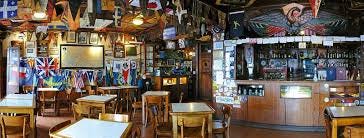
Peter's Café Sport, Horta: A legendary Azorean institution born from Ernesto Azevedo's 19th-century craft shop, transformed in 1918 by his son Henrique into Café Sport—wooden furniture, eagle emblem, gin & tonic. The name "Peter" stuck after WWII: José Azevedo, nicknamed by a British officer who missed his own son Peter, became the face of the family's portside haven. Post-1960s, it became the Atlantic sailors' unofficial headquarters: mail hub, community anchor, practical aid. Now run by 4th/5th generations, it houses the Scrimshaw Museum (1986), one of the world's finest collections of whalebone carvings. More than a café: a living monument to adventure, hospitality, and the enduring spirit of Horta. "If you sail to Horta and do not visit Peter's, you have not seen Horta in reality."
🏛️ The Origins: From “Azorean House” to “Café Sport”
The roots of Peter Café Sport go back to the late 19th century. The story begins with Ernesto Lourenço Azevedo (1859-1931), a merchant on the island of Faial . He owned a shop called the “Bazar de Fayal“ (later the “Azorean House“), located in Horta’s Infante Square, which sold local handicrafts like embroidery, lace, and straw hats . His products were of such high quality that he won a gold medal at the 1888 Lisbon Industrial Exhibition .
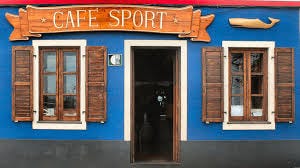
At the turn of the century, Ernesto moved the business to Rua Tenente Valadim (now Rua José Azevedo “Peter”), a strategic location much closer to the bustling port . It was his son, Henrique Lourenço Ávila Azevedo (1895-1975), who in 1918 transformed the business. He moved it to the building next door and renamed it “Café Sport,” reflecting his personal passion for sports like football, rowing, and billiards . Henrique also established several of the café’s enduring features: its signature wooden furniture, the eagle as its symbol, and the introduction of the gin and tonic, a drink that remains a specialty to this day .
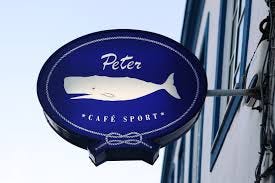
⚓ The Birth of “Peter”: A Nickname That Stuck
The café’s unique name comes from Henrique’s son, José Azevedo (1925-2005) . During World War II, the British Royal Navy ship HMS Lusitania II was stationed in Horta after suffering damage. Young José worked on the ship and became friends with a senior officer .
This officer, missing his own son named Peter, thought José bore a strong resemblance to him and began calling him “Peter” as a nickname . The name caught on so quickly and completely that it followed José for the rest of his life, and islanders and visitors alike began referring to his family’s establishment as Peter’s Café Sport .
🤝 A Haven for Adventurers and Sailors
While the café was always by the port, its true global reputation was forged in the post-war years. In the 1960s, a new type of visitor began arriving in Horta: recreational sailors, whom the locals called “aventureiros” (adventurers) . For these voyagers crossing the Atlantic, Horta was a vital stopping point, and Peter Café Sport became their unofficial headquarters .
José “Peter” Azevedo and his family became famous for their unparalleled hospitality. They would row out to incoming yachts to offer help, supplies, and a warm welcome . The café became a place where sailors could:
Receive mail and packages: It functioned as an informal but vital “post office in the Atlantic,” a service so significant that it was awarded the “Golden Post Office” honour by the Portuguese postal service in 2004 .
Find friendship and community: In an era before instant communication, it was a place to connect with other sailors, share stories, and find camaraderie .
Get practical help: The family helped with everything from sourcing boat parts to connecting sailors with a local doctor .
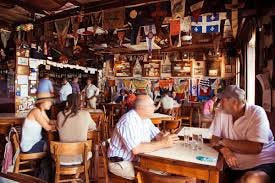
This tradition of kindness continues today under the stewardship of the fourth and fifth generations. José Henrique Azevedo, José’s son, now runs the business with his children—João, Mariana, Pedro, and their cousin Duarte—who consider themselves the third “Peter” in the family line .
🏆 A Legacy Cemented in Culture and Honor
Peter Café Sport’s unique place in the world has been recognized far and wide.
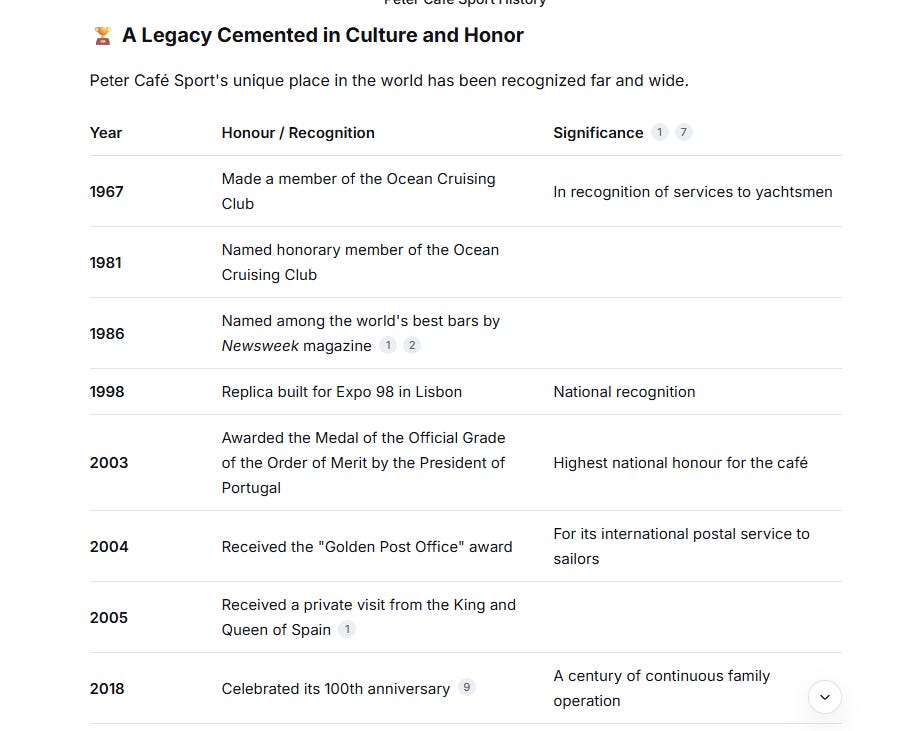
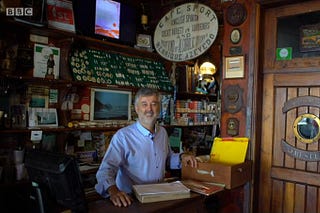
Beyond its role as a café, the establishment is also home to the Scrimshaw Museum, opened in 1986 . Located above the bar, it houses one of the world’s largest and most important private collections of scrimshaw—intricate carvings done on whale bone and teeth by sailors, a true art form of the whaling era .
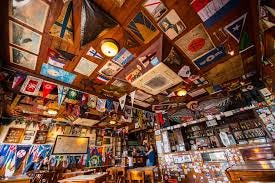
Peter Café Sport is more than just a place to get a drink; it’s a living monument to the spirit of adventure, community, and open-armed hospitality. As a popular saying among sailors goes, “If you sail to Horta and do not visit the ‘Peter Café Sport’, you have not seen Horta in reality”