Architects of Rhythm: The New Elite of House and Melodic Techno
The article profiles eight leading female DJs—Lilly Palmer, Amelie Lens, Deborah de Luca, Peggy Gou, Nora En Pure, Korolova, Miss Monique, Ida Engberg, and Pretty Pink—who represent a new elite in house and melodic techno. Each artist is characterized by technical precision, "clean" production, and authentic stage presence rather than gimmicks or industrial chaos. The piece emphasizes their rejection of disordered rave aesthetics in favor of structured, emotionally resonant soundscapes that blend European techno roots with melodic sophistication. The epilogue argues that this movement marks a shift toward production clarity and genuine artistry as the new standard in electronic music, proving that dance-floor energy can emerge from compositional excellence rather than distortion or spectacle.

1. Lilly Palmer: Swiss Precision at the Heart of Modern Techno

Lilly Palmer has established herself as one of the most prominent figures in contemporary electronic music, representing the evolution of Peak-Time Techno with a sonic signature that prizes clarity, power, and technical sophistication. Born in Germany and artistically matured in Switzerland, her work reflects a rigorous discipline that avoids sonic chaos in favor of impeccable rhythmic structure.
Palmer's style is defined by powerful, dry kick beats that serve as the foundation for futuristic, spatial synthesizer textures. Unlike more raw or "dirty" strands of techno, her production is extremely polished; each percussive element occupies an exact space in the sonic spectrum, allowing the listener to identify the complexity of the layers without being overwhelmed by unnecessary distortion. It is high-energy music, made for large sound systems, yet it maintains a subtle melodic intelligence that captivates even in individual listening sessions.
Her stage and studio aesthetic distances itself from the dark, disorganized imaginary of classic raves. Lilly Palmer brings to the command of the decks a posture of a maestra: focused, technical, and authentic. She does not rely on visual gimmicks or staging to validate her performance; her authority comes from rigorous curation and the execution of fluid mixes that create a progressive narrative. Tracks like "We Control" and "Resonate" exemplify this ability to dominate the dance floor through rising tension and a sound design that resembles a precision timepiece.
In summary, Lilly Palmer's work is the antithesis of the ephemeral. It is robust, modern techno that respects the genre's roots while projecting itself into the future through crystalline production and professional delivery that places her at the top of the world's electronic music elite.

3. Amelie Lens: The Architect of Contemporary Techno and the Belgian Force

Amelie Lens is, without a doubt, one of the most impactful and divisive figures in global electronic music, having redefined the techno landscape over the last decade through a high-octane sonic aesthetic and an implacable work ethic. A native of Belgium, her meteoric rise was no accident, but rather the result of a very clear artistic vision that fuses the heritage of 1990s European techno with modern, crisp, and extremely functional production for global dance floors.
Amelie Lens's style is characterized by an accelerated rhythm, frequently situated between 130 and 140 BPM, which lends her performances an urgency and overwhelming physical energy. Her sonic signature rests on galloping basslines and metallic, almost surgical percussion that cuts through the mix with absolute precision. One of the most distinctive elements of her work is the strategic use of short, whispered, or hypnotic vocals — often her own voice — which serve as rhythmic hooks amid strident synthesizers and atmospheres of constant tension.
Unlike more experimental or chaotic currents, Amelie's music is structured and logical. She privileges sonic "cleanliness," where each beat has a defined purpose, avoiding unnecessary saturation. Tracks like "Follow" and "In Silence" demonstrate this ability to create techno anthems that are simultaneously brutal and elegant. Her stage presence is equally iconic: Amelie is known for her total delivery and authenticity, maintaining an intense connection with the audience while never losing technical focus on the equipment.
Through her own label, Lenske, she cultivates a sound that respects the tradition of warehouse techno, but presents it with contemporary polish. Amelie Lens has transformed techno into a high-performance experience, proving that large-scale electronic music can be heavy, fast, and yet executed with a technical sophistication that places her as an unavoidable reference of the present day.

5. Deborah de Luca: Neapolitan Techno and the Aesthetic of Duality

Deborah de Luca is one of the most emblematic artists of the global electronic scene, carrying with her the vibrant and raw heritage of Naples, Italy. Her trajectory is marked by unwavering authenticity and an independent rise that transformed her into a phenomenon of popularity, consolidating a style that she herself defines as a balanced mix of heavy beats and enveloping melodies. Her work is a testament that techno can be simultaneously visceral and endowed with refined harmonic sensitivity.
De Luca's sonic style is characterized by a "dry" and direct techno, with high-impact kicks that form a solid, minimalist rhythmic base. However, what distinguishes her from techno orthodoxy is the way she introduces elements of melodic house and even nuances of pop and classical music into her productions. She frequently uses ethereal vocals and synthesizer progressions that bring a breath of fresh air to the more rigorous percussive beats. This duality creates a listening experience that is simultaneously energetic for the dance floor and sophisticated for attentive listening.
Her mixing technique is recognized for its speed and precision, reflecting an artist who completely masters digital tools to create sonic layers in real time. Deborah de Luca avoids excessive distortion or the "dirty" sounds associated with certain rave strands, preferring crystalline production where each element is audible and well defined. Through her own label, Sola_mente Records, she maintains total creative control, releasing tracks that reject easy labels and prioritize compositional quality.
On stage, her presence is marked by a focused, professional posture, devoid of unnecessary gimmicks. She focuses on delivering a sound that is a reflection of her own journey: resilient, melodic, and technically impeccable. Deborah de Luca proves that large-scale electronic music can maintain a deep soul, uniting the rigor of European techno with a Mediterranean passion that makes her work unique and instantly recognizable in today's landscape.

6. Peggy Gou: The Icon of Modern House and the K-House Aesthetic

Peggy Gou has become one of the most influential and recognizable figures in contemporary culture, transcending the boundaries of electronic music to establish herself as an icon of style and creativity. A South Korean based in Berlin, her work is a breath of fresh air in the European landscape, bringing a vibrant, sunny, and extremely sophisticated sound that fuses the heritage of classic Chicago and Detroit house with a unique Asian pop sensibility, frequently dubbed "K-house."
Peggy Gou's style is defined by an irresistible groove and crystalline production. Unlike industrial beats or the dark atmospheres of Berlin techno, Gou's music is celebratory and melodic. Her compositions are characterized by pulsating basslines, prominent use of analog synthesizers with warm textures, and occasionally her own voice singing in Korean or English. This combination creates a sonic identity that is simultaneously nostalgic and futuristic, evoking the spirit of 1990s house with high-fidelity technical polish.
What sets her apart in the current scene is her ability to create global anthems, such as "It Makes You Forget (Itgehane)" and "(It Goes Like) Nanana," that maintain the integrity of underground dance music while reaching a vast audience. Her mixing technique is fluid and eclectic, jumping easily between house, disco, and electro, always maintaining a rhythmic coherence that privileges groove over sonic aggression. She rejects the "heavy rave" aesthetic, opting for environments that celebrate light, fashion, and art.
Through her own label, Gudu Records, Peggy Gou exercises total creative control, promoting a vision of electronic music that is inclusive and aesthetically impeccable. Her stage presence is marked by a natural confidence and an authenticity that captivates both vinyl purists and new generations. In summary, Peggy Gou's work is a celebration of harmony and rhythm, proving that electronic music can be immensely sophisticated, technical, and, above all, luminous.

8. Nora En Pure: The Elegance of Nature in Melodic Deep House

Nora En Pure, the artistic name of Daniela Di Lillo, is widely recognized as the queen of Melodic Deep House. Based in Switzerland, her work is one of the most singular and refined in current electronic music, standing out for a sonic purity that seems to transport the listener to vast, serene natural landscapes. Her music is the antithesis of industrial noise; it is a celebration of harmony, organic composition, and crystalline production technique.
Nora En Pure's style is defined by a masterful fusion between electronic music and elements of classical music. It is common to find in her sets and productions delicate piano arrangements, cello chords, and flute sounds, all integrated into a soft but percussively rich house beat. Her compositions, such as the iconic hit "Come With Me," evoke sensations of freedom and light, completely fleeing the dark aesthetic of traditional raves. The sound is "clean," without aggressive distortions or acidic synthesizers, always privileging melody and emotional texture.
Her stage presence reflects exactly her sound: Nora is an artist of imperturbable calm and austere professionalism. Behind the decks, she displays absolute concentration, focused on the narrative progression of her set, which frequently begins in a contemplative manner and evolves into a sophisticated, energetic groove. She does not resort to easy entertainment gimmicks; her authority comes from the intrinsic quality of the music and her impeccable curation through the brand and label Purified.
Through her events and her global radio program, Nora En Pure has established a standard of "auditory luxury" in dance music. Her work proves that house can be a form of erudite art, capable of being appreciated both at a large outdoor festival and in a private high-fidelity listening environment. It is music for those who seek beauty, order, and a deep connection with the most luminous and organic side of modern electronics.

11. Korolova: The Serenity and Strength of Ukrainian Melodic Techno

Korolova, the artistic name of Ukrainian DJ and producer Olga Korolova, has emerged as one of the most magnetic and consistent forces in the global electronic scene in recent years. Her work is the perfect definition of contemporary Melodic Techno and Progressive House, characterized by a sound that manages to be simultaneously powerful on dance floors and deeply contemplative. Her style avoids disordered noise or gratuitous aggression, focusing instead on "clean" production where emotion and technical precision walk hand in hand.
Korolova's sound is built upon well-defined kick beats and enveloping basslines, which serve as support for ethereal synthesizers and piano melodies laden with feeling. One of the hallmarks of her production is the clarity of the sonic layers; even at moments of greatest intensity, each melodic element is perfectly distinguishable, creating an atmosphere of immersion that flees from the chaotic aesthetic of industrial raves. Her tracks frequently incorporate well-produced vocals and harmonic crescendos that evoke a sense of hope and freedom, characteristics that have made her a favorite on prestigious labels such as Black Hole Recordings.
Korolova's stage presence is one of her greatest differentiators and what most captivates her audience. She displays an imperturbable calm and a serene posture behind the decks, transmitting a silent confidence that translates into impeccable technical delivery. Instead of resorting to exaggerated performances, she focuses on the musical narrative, conducting the set with an elegance that seems almost choreographed by the harmony of the music itself. Her recorded sets in exotic locations and stunning natural scenery — such as Egypt or Santorini — reinforce this image of an artist who values visual aesthetics as much as sonic purity.
In summary, Korolova represents a new era of DJs who treat electronic music as a sophisticated and emotional form of art. Her work is a safe harbor for those who seek energy and rhythmic impact, but do not abdicate order, melody, and an authenticity that is felt in every transition. It is music made with the heart, but executed with the precision of one who masters every nuance of the machines she operates.

13. Miss Monique: The Maestra of Ukrainian Progressive House

Miss Monique, the artistic name of Olesia Arkusha, has established herself as one of the most vital and technically gifted figures in current electronic music, becoming the global face of a new generation of Progressive House and Melodic Techno. Her work is a rare example of how technical discipline and a clear artistic vision can elevate the genre beyond the clubs, transforming each set into a cinematic and emotionally rich experience.
Miss Monique's style is defined by impeccable narrative progression. Her productions and mixes do not seek immediate or easy impact; instead, they build gradual, sophisticated tension. The sound is characterized by deep, velvety kick beats, pulsating basses that guide the rhythm, and above all, layers of melodic synthesizers that intertwine with almost mathematical precision. It is "clean" music, where complexity resides in harmony rather than noise, completely fleeing aggressive distortions or elements that evoke disordered rave environments.
What truly distinguishes Miss Monique is her authenticity and absolute mastery of digital platforms to communicate her art. Through her weekly podcast "MiMo Weekly" and her label Siona Records, she conducts rigorous curation that privileges musicality over spectacle. Her stage presence is marked by deep concentration and a professional posture; she operates the equipment with a dexterity that reveals years of dedication to the studio, transmitting a security that allows the listener to surrender to the flow of the music without distractions.
Her sets recorded in monumental settings, such as the Grand Canyon or the Pyramids of Giza, reinforce the grandeur of her work. In them, Miss Monique's music merges with the landscape, proving that melodic techno can be an elegant, organized, and universal art form. For those who seek electronic music that respects the listener's intelligence and the purity of composition, Miss Monique's work is a reference of excellence and integrity in the global landscape.

16. Ida Engberg: Swedish Elegance and Techno with Soul

Ida Engberg is one of the most respected and established figures in the European electronic scene, representing a lineage of DJs who privilege musical substance and artistic integrity above passing fads. A native of Sweden, her trajectory is intertwined with the very evolution of modern techno, but her work stands out for an organic sensitivity that distances her from the mechanical coldness of many of her peers. Engberg brings to the sound booths a Nordic sophistication that unites technical rigor with a rare emotional depth.
Ida Engberg's style is characterized by deep techno and progressive sounds, which frequently incorporate surprising nuances of groove and rhythmic elements inherited from disco and classic house. Unlike industrial aggression or the "dirty" sound of warehouse raves, her sound is polished and spatial. Her beats are precise, but possess a swing that confers humanity to the machines. The intelligent use of detailed percussion and fluid basslines creates a clean listening experience, where the listener can distinguish each sonic layer and the intention behind each transition.
Her stage presence is the definition of elegance and serenity. Ida Engberg operates the decks with an imperturbable calm and absolute focus on the music, rejecting histrionic performances or the use of image as a crutch for talent. She is a purist of the profession, treating the mixing desk as a precision instrument for telling sonic stories that evolve slowly, without haste to reach the climax. This authenticity is what makes her a central figure on prestigious labels and at major festivals, where her curation is synonymous with quality and good taste.
Through her long-standing collaboration with the label Drumcode and her performances at iconic locations such as Ibiza, Ida Engberg has proven that techno can be a mature and sophisticated form of art. Her work is an invitation to attentive listening, ideal for those who value order, production clarity, and an aesthetic that celebrates the intrinsic beauty of rhythm and harmony.

20. Pretty Pink (Anne-Katrin Gerber): The Aesthetic of Order and the Brilliance of German Deep House
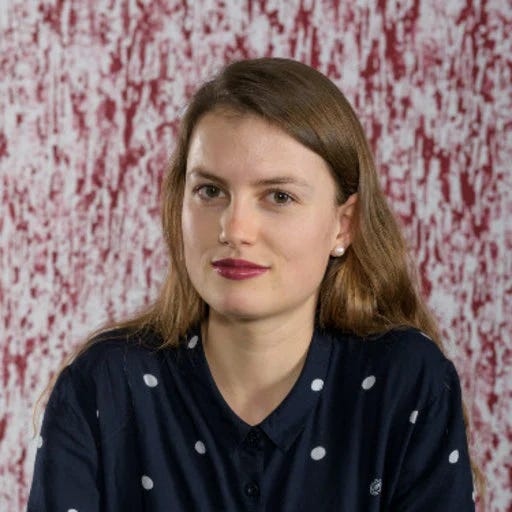
Pretty Pink, the artistic name of German producer and DJ Anne-Katrin Gerber, is one of the most consistent and technically rigorous figures in the European electronic scene. A native of the Harz region in Germany, her work is the reflection of a German discipline applied to dance music, resulting in a sound that is the definition of clarity, structure, and luminosity. She occupies a prominent place in Deep House and Melodic Progressive, completely distancing herself from industrial chaos or Berlin's dark aesthetic in favor of a sunny, organized sonic identity.
Pretty Pink's style is characterized by extremely polished, crystalline production. Her kick beats are firm and rhythmic, but possess a softness that invites movement without the aggression of pure techno. Her sonic signature rests on the masterful use of synthesizers with warm textures, melodic basslines, and ethereal vocals that are integrated into the mix with surgical precision. In her tracks, such as the acclaimed remix of "Schöner Fremder Mann" or her original productions like "Echo," one perceives an obsessive care with harmony; there is no unnecessary noise or "dirty" distortion, only well-defined layers of sound that create an atmosphere of well-being and sophistication.
Her stage presence is marked by absolute professionalism and an authentic posture. Pretty Pink avoids forced personas or the marketing of "pretense"; behind the decks, she displays a technical concentration that reveals her formation as a true craftswoman of sound. Her delivery is direct and honest, focused on building a set that flows in a logical, progressive manner. Through her own label and brand, Deep Woods, she has created a musical ecosystem that celebrates nature and sonic purity, frequently recording sets in forest landscapes and natural settings that reinforce her organic aesthetic.
In summary, Pretty Pink's work is a safe harbor for those who value electronic music as a high-quality technical construction. She proves that it is possible to be powerful and energetic on the dance floor while maintaining an elegance and production clarity that elevate Deep House to a level of auditory excellence.

Epilogue: The Rise of Order and Authenticity in Electronic Music
The journey through the trajectories of artists like Lilly Palmer, Nora En Pure, and Korolova reveals a profound and irreversible movement in contemporary electronic music: the triumph of technical sophistication over noise and of authenticity over artifice. What unites these women, beyond absolute mastery of the machines, is a deliberate refusal to yield to the disordered chaos of conventional raves. They represent a new era of "digital maestras" who treat sound with the rigor of a science and the delicacy of an erudite art.
In this landscape, production clarity becomes the new standard of luxury. Whether through Swiss-precision techno or melodic house with classical roots, these figures have proven that the energy of a dance floor does not depend on distortion or performative personas, but on the intrinsic quality of the composition. They have brought light, structure, and an organic aesthetic to a medium that, for decades, took refuge in the shadows of the industrial.
As we observe artists who fail the test of "pretense" and others who ascend through genuine delivery to sound, it becomes clear that the most demanding audience today seeks a genuine connection. The future of electronic music, as drawn by this global elite, is luminous, melodic, and, above all, honest. It is a celebration of order over chaos, where music speaks louder than any staging, consolidating a golden age where technique and soul finally walk in perfect harmony.